The Magic of the Thousand Torii Gates
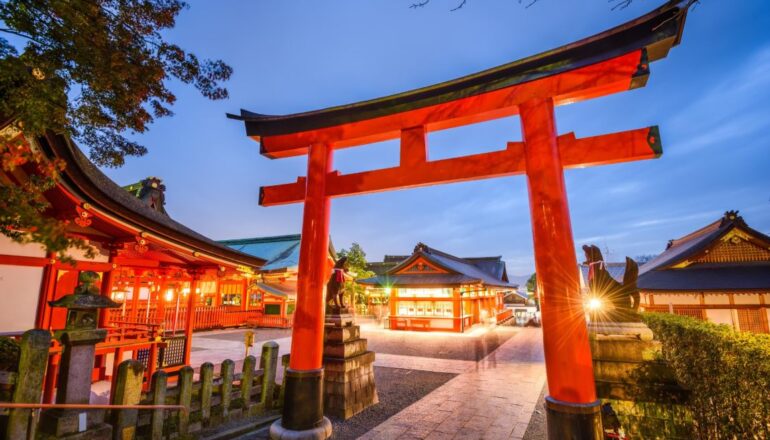
Located in the heart of Kyoto, Fushimi Inari-taisha is one of Japan’s most recognizable landmarks. Famous for its seemingly endless path of vibrant orange gates, known as Senbon Torii, this Shinto shrine offers a spiritual and visual experience unlike any other in the world.
Why You Must Visit Fushimi Inari
Fushimi Inari is dedicated to Inari, the Shinto god of rice and prosperity. As you walk the trails, you’ll notice two distinct features that make this site unique:
- The Torii Gates: Each of the thousands of gates has been donated by individuals or businesses hoping for good fortune. The inscriptions on the back of the gates list the donor’s name and the date of the donation.
- The Fox Statues (Kitsune): Throughout the grounds, you will see numerous statues of foxes. In Japanese mythology, foxes are considered the messengers of Inari. Many hold a key in their mouths—representing the key to the rice granary.
Hiking Mount Inari
While many tourists stop after the first few hundred gates, the trail actually winds 4 kilometers up Mount Inari.
- Time: A round-trip hike to the summit takes about 2 to 3 hours.
- The View: At the Yotsutsuji intersection (about halfway up), you can enjoy one of the best panoramic views of Kyoto’s skyline.
Pro-Tips for Your Visit
- Be Early: To get those famous “empty path” photos, arrive at sunrise (around 6:00 AM or 7:00 AM).
- Admission is Free: Unlike many temples in Kyoto, Fushimi Inari-taisha is free to enter and stays open 24/7.
- Night Exploration: Visiting at night offers a mysterious, slightly eerie atmosphere with fewer crowds and beautiful lantern lighting.